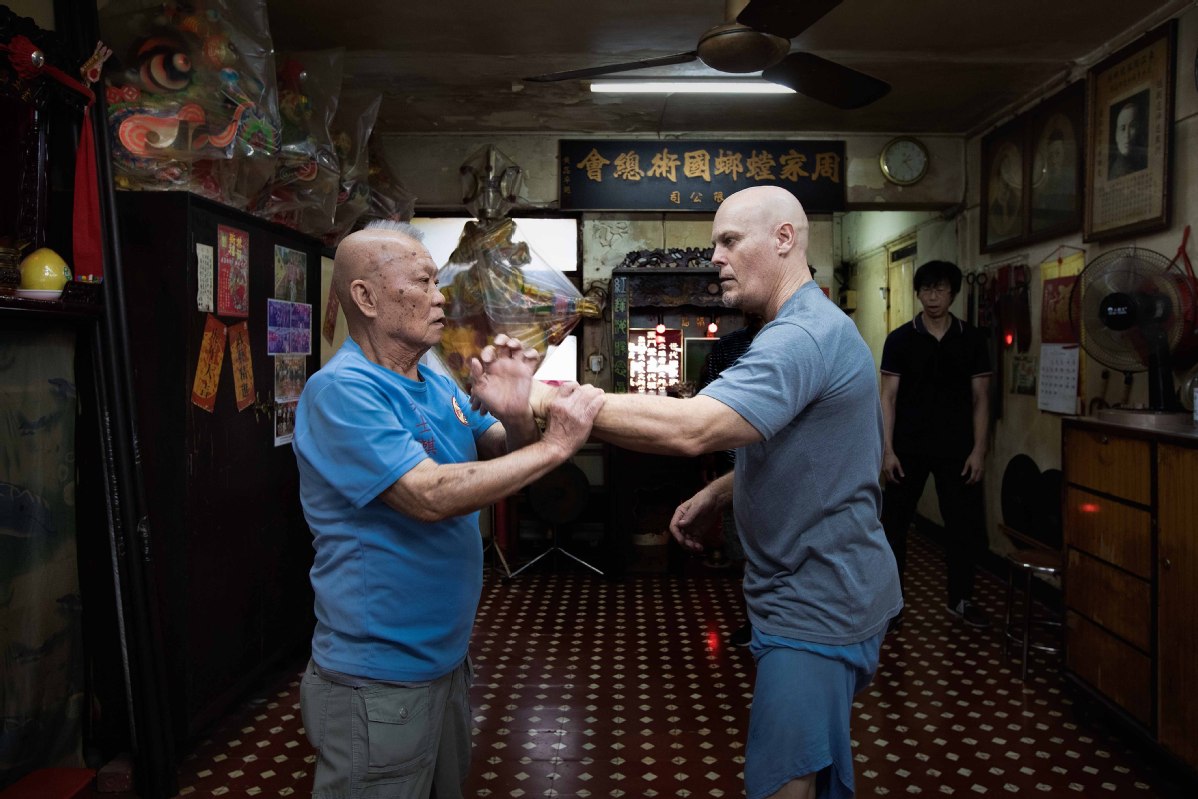
Kung Fu
Introduction
Kung fu, also known in the West as Chinese martial arts or Wushu, is a traditional system of combat that originated in China and has been practiced for thousands of years. Initially developed as a means of self-defense, kung fu has evolved into a holistic practice that encompasses physical fitness, self-discipline, mental strength, and philosophical wisdom.
Historical Origins
Kung fu, or wushu, has its roots deeply embedded in the rich cultural heritage of China. It traces back to ancient times, with the earliest records appearing during the Xia Dynasty nearly 4,000 years ago. The art form has been influenced by various Chinese philosophies, including Confucianism, Taoism, and Buddhism, and it is especially associated with monasteries such as the Shaolin Temple. These philosophies emphasize the importance of harmony, morality, and self-control, values that are integral to the practice of kung fu.
The Shaolin Connection
One of the most iconic symbols of kung fu is the Shaolin Temple, located in the Henan province of China. The temple, founded in the 5th century, is renowned for its association with Buddhist martial arts. According to legend, an Indian monk named Bodhidharma introduced a series of exercises to the monks of Shaolin to improve their physical condition and aid their meditation practices. Over the centuries, these exercises evolved into a sophisticated system of combat techniques and spiritual practices known as Shaolin kung fu.
Modern Perception and Cultural Impact
Today, kung fu is recognized as a significant element of Chinese cultural identity and has gained widespread popularity across the globe. This international appeal can largely be attributed to the influence of kung fu films, which started to become popular in the 20th century. Iconic figures such as Bruce Lee, Jet Li, and Jackie Chan played pivotal roles in popularizing kung fu through their work in cinema. Films like "Enter the Dragon," "Once Upon a Time in China," and "Crouching Tiger, Hidden Dragon" have introduced global audiences to the dynamic and artistic nature of kung fu.
The philosophy embedded within kung fu extends beyond combat. It teaches principles of respect, perseverance, humility, and balance, making it a pursuit that contributes to personal growth and development. As a result, many people worldwide engage in kung fu not just as a martial art, but as a means of achieving greater life discipline and health.
Global Spread and Influence
With globalization, kung fu has transcended its origins and found a place in various cultures worldwide. Numerous schools and training centers have been established outside China, offering instruction in different styles and techniques. The art form is appreciated both as a sport and a means of cultural exchange, fostering understanding and respect among diverse communities.
In countries like the United States, kung fu has been embraced by individuals from all walks of life. It is taught in martial arts schools, practiced in community centers, and even incorporated into fitness programs. The adaptability of kung fu has allowed it to thrive in various environments while maintaining its traditional roots.
Styles and Techniques
Kung fu encompasses a wide range of styles, each with its own unique characteristics and methods. Some of the most well-known styles include Shaolin kung fu, Wing Chun, Tai Chi, and Jeet Kune Do. Each style emphasizes different aspects of combat and movement, such as striking, grappling, agility, or internal energy (Qi).
-
Shaolin kung fu: Known for its rigorous physical training and complex techniques, Shaolin kung fu is one of the most recognized forms of Chinese martial arts. It combines physical prowess with spiritual development.
-
Wing Chun: A style that focuses on close-range combat and efficiency. It is characterized by its use of quick strikes, minimal movement, and direct attacks.
-
Tai Chi: Often practiced for its health benefits, Tai Chi is a soft, internal style that emphasizes fluid, meditative movements and the cultivation of internal energy.
-
Jeet Kune Do: Developed by Bruce Lee, Jeet Kune Do emphasizes adaptability, simplicity, and directness. It is known as "the way of the intercepting fist" and incorporates elements from various martial arts.
Philosophical Underpinnings
The practice of kung fu is deeply rooted in Chinese philosophical thought. Concepts such as Yin and Yang, the Five Elements, and the Dao (Tao) are integral to understanding the art. Kung fu practitioners strive to achieve harmony between the mind, body, and spirit, recognizing that true mastery goes beyond physical prowess.
Key Philosophical Concepts:
Yin and Yang: This principle of duality represents balance in all aspects of life. In kung fu, practitioners learn to balance hard and soft techniques, and offensive and defensive strategies.
Qi (Chi): The vital life force that flows through all living things. Kung fu training often includes exercises to cultivate and harness Qi, promoting health and vitality.
Wu Wei: A Taoist concept that translates to "non-action" or "effortless action." It emphasizes the importance of aligning with the natural flow of life rather than forcing outcomes.
Training and Practice
Kung fu training involves a combination of physical exercises, forms (Kata), sparring, and meditation. Practitioners develop strength, flexibility, coordination, and mental focus through disciplined training. The practice of forms, which are predetermined sequences of movements, allows students to internalize techniques and principles.
Training Elements:
Basics: Fundamental stances, strikes, kicks, and defensive movements.
Forms (taolu): Choreographed sequences that simulate combat scenarios.
Sparring: Controlled fighting practice with a partner.
Meditation: Exercises to enhance focus, relaxation, and internal energy flow.
kung fu in Popular Culture
Kung fu has had a significant impact on global popular culture, particularly through film and television. The artistry and philosophy of kung fu have inspired countless stories, from classic martial arts films to modern action blockbusters. The imagery of the kung fu master—wise, disciplined, and skilled—resonates with audiences worldwide.
Notable Influences:
Bruce Lee: A martial arts icon whose films introduced kung fu to a global audience and emphasized the importance of self-expression and personal development.
Kung Fu Panda: An animated film series that combines humor with martial arts philosophy, appealing to both children and adults.
Crouching Tiger, Hidden Dragon: A critically acclaimed film that highlights the elegance and depth of traditional Chinese martial arts.








